ESP32 DevKit V1
Espressif
ESP32 DevKit V1 development board based on the ESP32 dual-core Xtensa LX6 microcontroller, with integrated Wi-Fi and Bluetooth for Arduino, IoT and embedded projects.
Specifications
| MCU | ESP32 |
|---|---|
| CPU | Dual-core Xtensa LX6 |
| Clock Speed | Up to 240 MHz |
| Flash | 4 MB |
| SRAM | 520 KB |
| Wi-Fi | 802.11 b/g/n |
| Bluetooth | Bluetooth Classic + BLE |
| USB | Micro USB |
Some links on this page are affiliate links. If you purchase through them, Embedded Nerd may earn a small commission at no additional cost to you. This helps support the website and allows us to continue creating free tutorials and guides. Thank you for your support!
Resources
You May Also Like
The ESP32 DevKit V1 is a popular ESP32 development board for Arduino, IoT and embedded projects. It combines a dual-core processor with integrated Wi-Fi and Bluetooth, making it suitable for wireless applications, sensor projects, automation and rapid prototyping.
The board is compatible with the Arduino IDE, PlatformIO and Espressif’s ESP-IDF framework. It is also supported by platforms such as MicroPython and ESPHome, giving developers a wide range of options for building connected devices.
If you’re getting started with the ESP32, our ESP32 OLED Tutorial – Wiring, Code & Display Guide shows how to connect an SSD1306 OLED Display and create a practical ESP32 display project.
ESP32 DevKit V1 Specifications
The ESP32 DevKit V1 provides a practical combination of processing power, GPIO, wireless connectivity and peripheral interfaces for embedded development.
| Specification | Details |
|---|---|
| Microcontroller | ESP32 |
| CPU | Dual-core Xtensa LX6 |
| Clock Speed | Up to 240 MHz |
| Flash | 4 MB |
| SRAM | 520 KB |
| Wi-Fi | 802.11 b/g/n |
| Bluetooth | Classic + BLE |
| USB | Micro USB |
Actual board implementations can vary between manufacturers and revisions, so check the seller’s specifications before purchasing.
Where to Buy ESP32 DevKit V1
The ESP32 DevKit V1 is widely available from online electronics retailers and marketplaces.
When comparing ESP32 DevKit V1 listings, check the current price, board revision, ESP32 variant, USB-to-serial interface, flash memory and included components. Different manufacturers may produce compatible DevKit-style boards with slightly different hardware configurations.
Use the purchase options above to check the current price and availability before buying.
ESP32 DevKit V1 Buying Guide
Before buying an ESP32 DevKit V1, there are several hardware details worth checking.
ESP32 Chip
Verify which ESP32 variant is installed on the board. Different ESP32 development boards can use different chip variants even when they are marketed under similar DevKit names.
USB Interface
Check which USB-to-serial chip is used and which USB connector is provided. Common boards may use interfaces such as CP2102 or CH340.
Flash Memory
Many ESP32 DevKit V1 boards provide 4 MB of flash, but specifications can vary. Check the listing before purchasing if your project requires a specific amount of flash memory.
Pin Headers
Some boards are supplied with pin headers already installed, while others may require soldering. This can be an important consideration if you plan to use the board directly with a breadboard.
Board Layout
Although many ESP32 DevKit V1 boards follow a similar layout, dimensions, pin labeling and component placement can vary between manufacturers.
Key Features
- Dual-core Xtensa LX6 processor running up to 240 MHz
- Integrated 2.4 GHz Wi-Fi
- Bluetooth Classic and Bluetooth Low Energy (BLE)
- Up to 34 programmable GPIO pins
- Hardware PWM support
- Multiple UART, SPI and I2C interfaces
- Capacitive touch inputs
- Analog-to-Digital Converter (ADC)
- Digital-to-Analog Converter (DAC)
- Deep Sleep support
- USB programming interface
- Compatible with Arduino IDE, PlatformIO and ESP-IDF
Applications
The ESP32 DevKit V1 can be used for a wide range of embedded and connected projects, including:
- Internet of Things (IoT)
- Home automation
- Environmental monitoring
- Wireless sensor networks
- Robotics
- Data logging
- Industrial monitoring prototypes
- Bluetooth applications
- Smart displays
- Remote controllers
- Battery-powered devices
Its integrated wireless connectivity makes the ESP32 particularly useful for projects that require communication with cloud services, smartphones or other networked devices.
Why Choose the ESP32 DevKit V1?
The ESP32 combines processing performance, wireless connectivity and a broad peripheral set in a low-cost development platform.
Important advantages include:
- Dual-core processor
- Built-in Wi-Fi
- Built-in Bluetooth
- Large software ecosystem
- Multiple communication interfaces
- Extensive GPIO support
- Low-power operating modes
- Strong Arduino and ESP-IDF support
These features make the ESP32 DevKit V1 a practical choice for prototyping IoT devices, automation systems, sensor nodes and embedded projects.
Software Support
The ESP32 has a large software ecosystem and can be programmed using several popular development platforms.
Supported environments include:
- Arduino IDE
- PlatformIO
- ESP-IDF
- MicroPython
- CircuitPython
- ESPHome
A wide range of libraries is available for displays, sensors, networking, MQTT, HTTP servers, Bluetooth communication and other embedded applications.
Wireless Connectivity
The ESP32 provides integrated wireless communication including:
- 802.11 b/g/n Wi-Fi
- Station Mode
- Access Point Mode
- Wi-Fi + Access Point Mode
- Bluetooth Classic
- Bluetooth Low Energy (BLE)
These features allow the ESP32 to communicate with cloud services, smartphones, computers and other embedded devices without requiring a separate wireless module.
Power Options
Depending on the specific DevKit V1 board, power can typically be supplied through:
- USB connection
- 5V/VIN pin
- Regulated 3.3V input
For battery-powered applications, the ESP32 also supports Deep Sleep modes that can significantly reduce power consumption between active periods.
Always check the specific board documentation before applying power through a particular pin.
Compatible Modules
The ESP32 DevKit V1 works with a wide range of sensors, displays and peripheral modules.
Popular choices include:
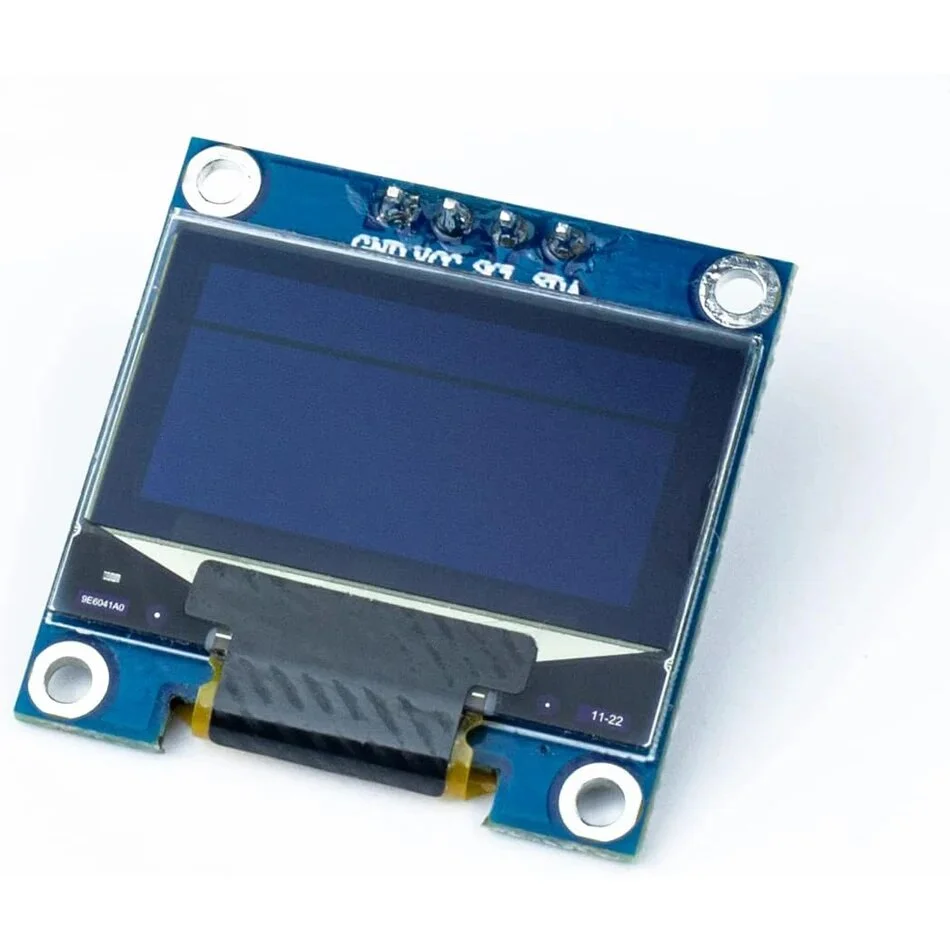
- SSD1306 OLED Display
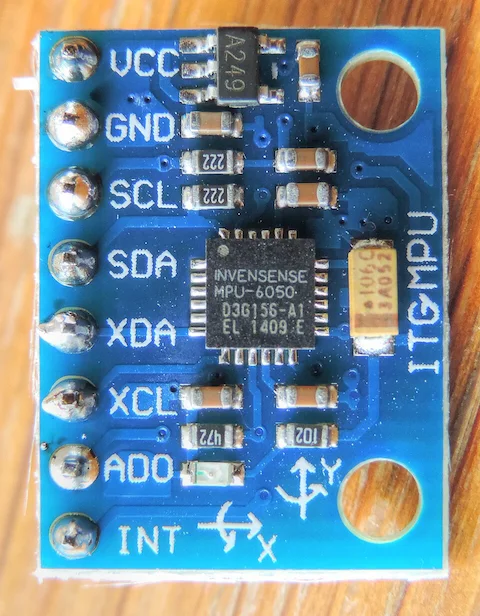
- MPU6050 Accelerometer & Gyroscope
- BME280 Environmental Sensor
- DHT22 Temperature Sensor
- Relay Modules
- RFID Readers
- GPS Modules
- Servo Motors
- WS2812 LED Strips
- SD Card Modules
If you’re connecting multiple I2C devices such as an OLED display and an MPU6050, our I2C Scanner Tutorial explains how to identify devices connected to the I2C bus.
Project Ideas
The ESP32 DevKit V1 can be used for projects ranging from simple experiments to complete connected systems.
Popular project ideas include:
- Wi-Fi weather stations
- Home automation controllers
- Smart sensors
- Bluetooth monitoring devices
- OLED dashboards
- Data loggers
- Robotics projects
- Internet-connected displays
For a complete practical project, see our ESP32 Snake Game with MPU6050 and OLED Display, which combines the ESP32 with an SSD1306 OLED Display and an MPU6050 motion sensor.
Documentation
Espressif provides documentation covering ESP32 hardware, peripherals, APIs and software development.
For technical reference material, see the official ESP32 datasheet and Espressif documentation available through the links above.
You can also browse our Products section for compatible hardware or explore our Recommended Hardware collection for components commonly used with the ESP32.
Related Tutorials
To get the most from your ESP32 DevKit V1, explore these practical guides:
- ESP32 OLED Tutorial – Wiring, Code & Display Guide
- I2C Scanner Tutorial
- MPU6050 Arduino Guide
- ESP32 Snake Game with MPU6050 and OLED Display
These tutorials cover displays, sensors, I2C communication and complete ESP32 projects, helping you build practical embedded systems with the ESP32 DevKit V1.
Used in These Tutorials
- BMA400 ESP32 Tutorial: Wiring, Code & Arduino Guide
- MPU6050 Calibration Guide: How to Calibrate Accelerometer & Gyroscope
- ESP32 Joystick Tutorial: Read an Analog Joystick (KY-023) with Arduino IDE
- I2C Scanner Tutorial: Find I2C Address on Arduino, ESP32 & ESP8266
- ESP32 Snake Game with MPU6050 and OLED Display
- ESP32 OLED Tutorial: Wiring, Code & Display Guide
- MPU6050 Arduino Guide: Wiring, Code & I2C